
Lessons From Inchcape: Building Treasury Teams That Scale Globally
What does it take to transform a lean, manual treasury operation into a global, scalable powerhouse supporting 40+ markets?
Alex Chalmers, Group Treasurer at Inchcape, shares how he did just that – while navigating complex M&A, implementing automation, and building regional treasury leadership around the world.
Listen on:



Featuring
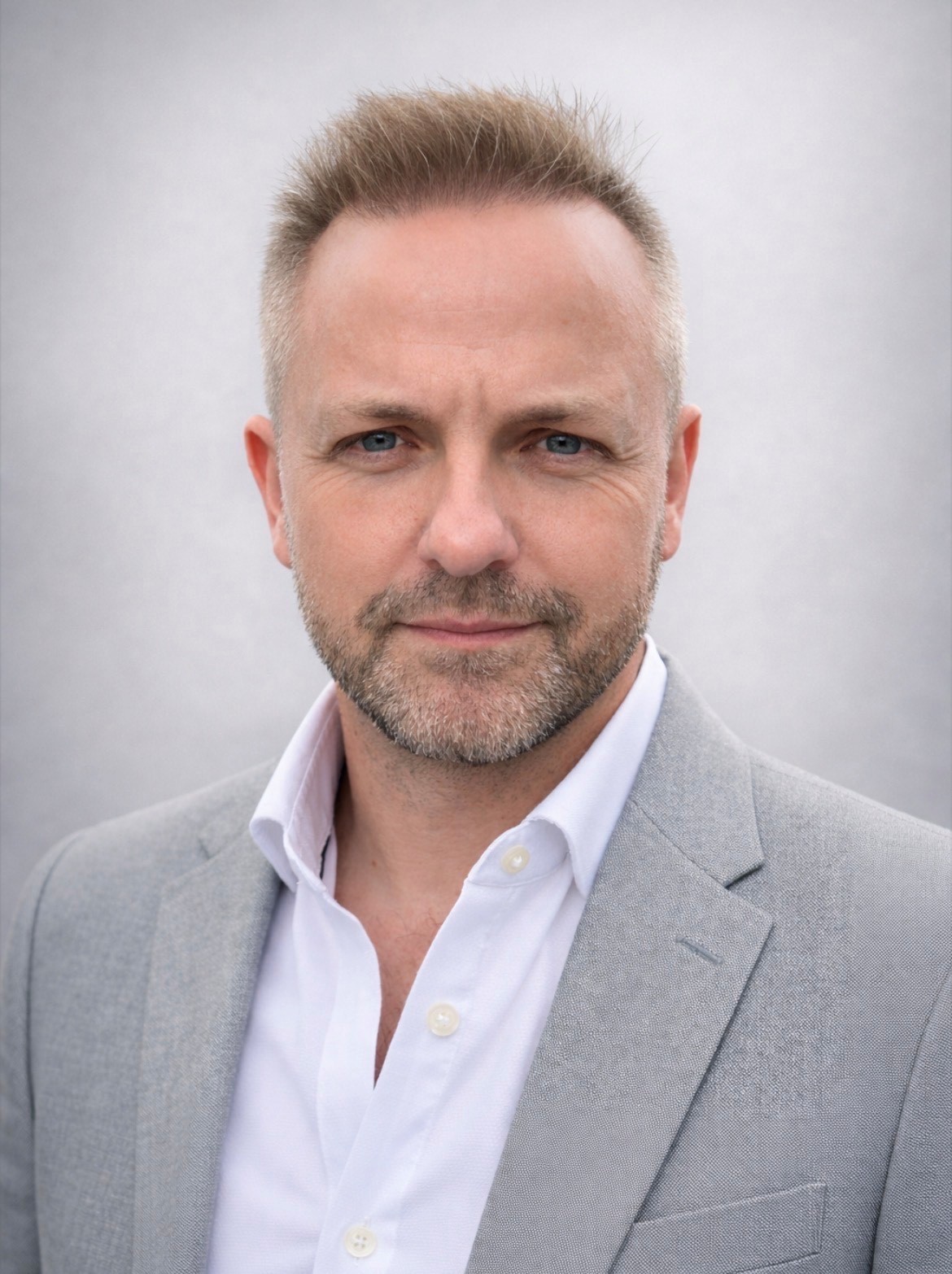

About this episode
Alex Chalmers is the Group Treasurer at Inchcape, the world’s leading independent automotive distributor. With a career spanning Vodafone, Subsea7, and private equity-backed ventures, Alex brings deep expertise in building treasury functions that align with dynamic, fast-growing global businesses.
In this episode of the Treasury Career Corner, Alex takes us through his treasury journey, from entering the field “by accident” to leading Inchcape’s treasury function through major growth and transformation.
You’ll hear how he modernized systems, scaled operations across continents, and handled a £1.3B acquisition – while still staying hands-on with regional treasury realities.
What We Cover in This Episode:
- How Alex transitioned from accounting to treasury – and why it stuck
- Early lessons from Vodafone and Subsea7 on cash visibility and project health
- Treasury in a PE-backed business vs. a listed global company
- Building a modern treasury function from the ground up at Inchcape
- Managing treasury across 40+ markets with regional leadership
- The importance of TMS, payment platforms, and automation
- Financing a £1.3B acquisition and preparing for market debut bonds
- The role of stablecoins and digital payments in emerging markets
- Developing yourself as a senior treasury leader
- Why curiosity, simplification, and networking are core to treasury success
You can connect with Alex Chalmers on LinkedIn.
—
🎙️ Subscribe to the Treasury Career Corner podcast – Never miss an episode! Subscribe on your favourite platform:
CLICK HERE for 🎧Spotify Podcasts
CLICK HERE for 🍏Apple Podcasts
📊 Managing short-term cash and investments – Without the right technology is a huge risk for modern treasurers. Tradeweb changes that!
🎓 Save $150 on CTP & FPAC– Exclusive discounts for treasury professionals – thanks to our trusted partners.
🧠 Leadership Under Pressure – Practical tools and coaching that work – from the team at Gazing Leadership
🧩 What if your whole team had one clear view of your group structure – Fuseable makes it happen
🔐 Managing signatory lists manually? Cygnetise gives treasury teams a smarter, safer way
👉 FIND OUT MORE HERE https://treasuryrecruitment.com/partners/
Mike Richards, CEO, The Treasury Recruitment Company: In this week’s episode, you’re gonna get to hear from Alex Chalmers, group treasurer of Inchcape plc. Alex will talk about the power of being curious, how you need to ask questions. ’cause as he says, there’s no such thing as a stupid question. And also it’s about investing in your network. ’cause treasury is a relationship business.
Mike Richards: Actually, I’ll hand over to Alex. Alex can explain a little bit more and we’ll get into the episode.
Alex Chalmers, Group Treasurer of Inchcape plc: I think there’s a few things and, and none of this should be come as a surprise. You need to be curious. I think if you’re not curious, you won’t progress in your career. You need to be asking questions. You need to be taking an interest in things.
Alex Chalmers : No, no one’s gonna spoon feed you through your career. I think the other thing is, and I was a firm believer of this, there’s no such thing as a stupid question, right? You need to ask questions as you’re going through and make sure that, yeah, you have a thorough understanding of, of, of what it is you’re doing.
Alex Chalmers : Because ultimately, if you try and flag it, at some point you will get all down. Found out. I think it’s important that you. Invest in automating mundane tasks and manual tasks ’cause only then will you get the head space to do what I just mentioned about being curious and, and asking questions. If 90% of your day is involved in doing operational stuff, by the time you’ve got the last 10% of your quality head space, you went, do any of that, and then it’s finally investing in your network.
Alex Chalmers : Treasury is a relationship business and it’s really important that you spend time with. Internal stakeholders for sure, but certainly the external stakeholders, your banks, having people who can help you for your projects if there’s a significant change in your business, if you’re doing a big m and a transaction.
Alex Chalmers : Yeah, knowing who to pick up the phone to nurturing, having had conversations previously about how you might structure a deal. These are all absolutely critical, but by the same token, if business isn’t going so well. If you made the investment in the relationships with your banking contacts, you can have those grownup conversations as well, and that will be helpful in the context of ongoing support when things perhaps aren’t going so well.
Alex Chalmers : So those key things I would probably call out.
Mike Richards: Welcome to this week’s Treasury Career Corner podcast, where I interview treasury professionals about their treasury careers. Each and every week I’ll talk to treasurers about how they build their careers, where they are now. Where they see both themselves and the treasury permission. Going to next, let’s get on with the show
Mike Richards: this week’s show. Delighted to be joined by Alex Chalmers, the group treasurer in Cape PLC. In Cape is the world’s leading automotive distributor. They work with more than 60 of the world’s most loved automotive brands in over 40 markets across the Americas. Asia Pacific, Europe, and Africa to power better mobility today and in the future.
Mike Richards: But we’ll get onto that later in the show exactly about in Cape. Alex, if you would take us back to the beginning. You and I have known each other for a number of years. How did it all start? Well, I know it started, but you tell us.
Alex Chalmers : Mike, thanks for having me on the show. So wait to be here finally. So look, we, how did it all start?
Alex Chalmers : I mean, like most people, treasury was found by accident, by myself. Like all good stories. It started with a. It’s out and uh, this is before people had smartphone. This is just gonna take you back when people had you motor roll the flares in their pocket, or even more affluent, perhaps they had a Nokia. The cop got home and had an email from a recruitment website, which you know is pre LinkedIn, if you will, with role that was for an accountant, a training contract with a global telecommunications company in Newbury being the end of the night.
Alex Chalmers : I didn’t quite put two two together at that point, and I hit to apply. Yeah, I played my generic cv, no covering letter, no nothing, and promptly forgot about it. And the following morning, or perhaps a couple of mornings later, I get a phone call. Once whilst I’m in the car from the recruiter, said, yeah, they really want to meet you.
Alex Chalmers : So I went out to Newbury to meet the head of the treasury back office at Vodafone, as was then. And yeah, the rest of it was kind of history in terms of my first move into treasury. But first and foremost, I was looking for a training contract as an accountant. I’d studied accounting and finance with European study.
Alex Chalmers : I had sought a career ultimately in accountancy. I suppose what I found. Vodafone offered two and a bit years of working in the back office in compliance space that had a bit more of a taste of for the commercial forward looking aspects of treasury than more backward looking rules-based debits, quote,
Mike Richards: under control and things.
Mike Richards: Yeah. And can you just for the audience, everyone know Vodafone is a household name in terms of telecoms and things, can you just for. Listeners. ’cause at the time you were joining Vodafone back in 2004 or whatever it was.
Alex Chalmers : Yeah.
Mike Richards: What the shape of Vodafone then?
Alex Chalmers : Yeah, look, I mean, it is, it is a, you know, I think at that point, sse, one or two in terms of numbers traded on the FSE on a daily basis.
Alex Chalmers : The management acquisition had happened a few years prior. The Japanese business was still part of the overall picture, the US business. So it was, yeah, it’s a huge. Business are very complex from a treasury perspective, I suppose as somebody coming in, having, dare I say it not, you know, even given any thought treasury, it wasn’t something that kind of came up as part and parcel of the professional university study.
Alex Chalmers : We would, we’d learn about what banks did. You know about what accountants did, and economists did treasury, corporate treasury wasn’t really a thing. So to come in and all of a sudden be exposed to fx, FX dealing, yeah. Debt capital markets, commercial paper program shared by a full spectrum. Those stuffs going on so that, yeah, pretty much any sort of treasury angle you could envisage was going on at Vodafone at that time.
Alex Chalmers : For sure.
Mike Richards: And a good start in treasury per se. ’cause it was a big team, you were learning a lot from. As you say, you’d gone from zero treasury knowledge to suddenly force ve it in a good way. Crazy.
Alex Chalmers : Yeah. Yeah. Look, I think it was an excellent move for me for sure. When I’ve finished my CMA studies and passed my exams, like most people, you then reflect, okay, you know what next.
Alex Chalmers : And I think at that point also suited me personally not to be based in Newbury. So I wanted to be a bit more, uh, London based. And at that point it just made sense to look and see what there was. And I think that’s where. Identified a role at what was a CG, at least sub C seven, and they were looking for somebody to come into their middle office.
Alex Chalmers : So I, I hadn’t really had some front office experience when I was at Vodafone. My role was very much a compliance and reporting role, so I had got to see a site of. But I wasn’t actually by any means at the coalface a CGI was, I was hired by beta salt at that time. And, uh, we brought in a set which was predominantly around looking at long-term cash flow forecasting, but also providing some reporting.
Alex Chalmers : And yeah, I suppose the bits and pieces I was doing in my Vodafone days on, on what the front office was doing day to day. Probably a bit of governance, a bit of around it, but Suby seven, I’ll talk about Suby seven or ’cause Suby seven is little business that is, is known today. Yeah. Has, is essentially a collection of projects.
Alex Chalmers : It’s uh, a collection of oil and gas, deep water complex projects. And what’s interesting from a cashflow perspective is that cash doesn’t follow p and l necessarily. So you have very lumpy milestone payments on the projects, whereas from a an accounting perspective, you recognize revenue as a percentage of completion on a project.
Alex Chalmers : So you need to understand. How cash is performing. ’cause you can’t just rev rely solely on, on the p and l to understand what your liquidity position is and what you should or shouldn’t be doing. But also it’s quite crucial to understand from a business performance perspective, if cash starts to slip, that’s gonna be early, early warning.
Alex Chalmers : That projects going off track and you, what you learn very quickly is if you wanna figure out if something’s going wrong somewhere, you start with cash. So cash was absolutely king. I mean, the business. It’s had some difficulties a few years prior to me joining, so it was a huge cash focus. But ultimately, whilst I was there, and still is a very successful business
Mike Richards: and quite different to, as you say, just go and digging into that.
Mike Richards: But oil and gas, usually a constant cash flow. Well, literally the tap comes on and as cash flowing out via businesses and things like that. So if you are a treasury analyst and then you became manager and assistant treasurer, what was that like for you in terms of. How did you manage the business counterparties internally?
Mike Richards: How did make sure that they were on side? Was it hitting the phone saying, guys, give us your cash, give us your cashflow forecast, or what was the ethos, if you like?
Alex Chalmers : Yeah, sort of starting there and being involved in long-term cashflow forecast, and particularly given. The importance of it in the context of what happened in the recent past meant, yeah, I, I was well known even as an analyst with the various finance directors at different levels within the business, and that was a great way for me to sort build my network out into the broader teams.
Alex Chalmers : I mean, London based, as you well know, no’s driven for oil in London. But see, there’s obviously a team in SGA in Norway. There’s a big team in Paris Engineering who looked after the African business. And then there’s an Asian business, a Singapore, and an Australian business as well. And then down in Rio and Mke for the Americans.
Alex Chalmers : So you quite quickly got node around the estate as it were, which was super helpful, which then helped me pivot as a treasury analyst. I was responsible for middle office, but I pivoted through to more of a front office. Perhaps I headed up front office at at a CG as was at sub seven. I would say a known quantity internally, and the, the conversation moved away a little bit from cash flow and is more around the hedging piece.
Alex Chalmers : So yeah, these, again, these the long term contracts and once they’re awarded and you look at what your expected cash flows and overlay a hedging strategy you to ensure you defend defending margin of that project.
Mike Richards: And you had a strong career growth throughout that growth stage, if you like. And so you went from, let’s say, more operational and treasury analyst.
Mike Richards: Through to assistant treasurer type role. Can you just talk us through, again, for the listeners, you went from analysis ownership, then leadership if you like. That’s quite a different shift if you like, you’ve gone from sitting next to the guys to now you are, oh guys, I’m leading you. What was the hardest thing to do or how did you, the expectations grow or change?
Alex Chalmers : Well, I think really similar subsea seven. I was probably more of a subject matter expert I’d say. So the leadership sort of soft power, I suppose the way to describe it? Yeah, really leading the photo probably came a little bit later when I joined incap. I suppose what happened post subsea seven? Little bit of context in terms of stories.
Alex Chalmers : I’ve been to sub C seven for five years, year four. We had a merger of equals between a G and sub C seven, effectively two treasury teams. We were coming together. The decision was to move the treasury function up to Aberdeen at that point. Also, everybody’s role. That existed at that point, got smaller as a consequence.
Alex Chalmers : And we obviously there’s natural wastage in terms of synergies come up, come out as part on parcel of MA, but my role had been quite broad. It covered cash management investments, foreign exchange less so DCM, because I want the huge. Huge ECM focus, but there was also the revolving credit facility, et cetera.
Alex Chalmers : And in my role going forward, it had been purely a cash manager a role, which didn’t suit me, and it obviously didn’t really necessarily suit my circumstances to me. So I stuck around for about another year to manage a transition effectively, and I moved process up to Aberdeen’s. So sub seven didn’t have a treasury management system at that time, a CG did.
Alex Chalmers : So I took the treasury management system that we had within the system and effectively deployed it into the sub C seven organization, and then supported the team whilst the recruitment happened for the team in Aberdeen. But then ultimately my phone rang. It was the former financial controller at at a CG.
Alex Chalmers : He’d set up a shop in Richmond. Again, the oil and gas, not the obvious place. For an oil and gas company, that’s where they were based. And he wonder whether I would come and join him as his corporate finance manager in the PE backed business, which was obviously very different kettle of fish to also BOS listed similar sort size to sort of fse hundred company, orange reef.
Mike Richards: So how was it different? You’ve gone from a listed business, PE backed business, what were the biggest transitions? And if someone is making that same move themselves, what should they look out for? And some do’s and don’t sort of thing.
Alex Chalmers : Type ticket as an extreme. You, if you think about what, uh, subsidy seven was, it was at that time an EBITDA business of a billion dollars.
Alex Chalmers : Mm-hmm. So pull it six. Yeah, 700 million pounds. Reef was an EBITDA business about 10. So it is a much, much smaller business. You learn a lot in those sorts of business. I’ve got, I’ve gone obviously VO phone. Yeah. Gigantic. Yeah. Sub C seven. So won the customer F 300 equivalent, I would say. Yeah, in terms of market cap to a business, which is essentially yeah, a startup venture.
Alex Chalmers : So very different challenges. Working capital management is about, yeah. How to make next payment run. Yeah. At what point do we run out of cash act? You genuinely run out cash as opposed to having to dip into our RCF or have a profit warning type conversation. So you, it’s, it is a much more of a hand to mouth existence.
Alex Chalmers : So you, you have very different sort of dynamics that play and you learn a lot about the business. Yeah. Business fundamentals if you like, and you have to get involved in a lot more. It’s a much broader role.
Mike Richards: What habits did that sort of give you, maybe that you kept with you? You talked there about really knowing the numbers because as you say.
Mike Richards: Tomorrow you could run outta cash if you’re not careful. So how have you checked that with you?
Alex Chalmers : Yeah, look, I think what I would say is that kind of business is not for everybody. I did it for about two years in the end, and that got, ultimately, that business had a business model of an oil price in north of a hundred dollars A barrel in the sort of late 2010s, I should say, was twenty twelve, twenty thirteen, twenty fourteen.
Alex Chalmers : You may recall that the, A price kind of dipped a fair bit and it was a real struggle. We had some vessels in the L Sea. Which if they are operating or not, probably cost you about a million pounds a month to just have sitting their arrival. So if you haven’t got the work coming in, you burn through cash very quickly.
Alex Chalmers : The business was quite leveraged anyway, but also in terms of operating leverage. So it’d be very high fixed cost base. Uh, you had to have a very keen eye on cash, cash management and making sure that when commercial teams went out and the repayment terms with. Oil majors that you getting upfront payments or you certainly weren’t giving sort of 69 day credit terms able to wash its face in terms of the ongoing costs that existed within that business.
Alex Chalmers : So it is, from that perspective, I think you, you’re a little bit shielded from that sort of thing when you’re in A PLC because it’s, yeah,
Mike Richards: arms length,
Alex Chalmers : all your backstop, RCF, which is under drawn for x hundred million pounds. The conversation is much more around what, what’s operating margin is looking like this year and what’s not going so well, but it’s not quite close to the wireless thing.
Mike Richards: And then you. Move made the move to join incap. So I wanted to talk through who INCAP are. No, were then up to now. Yeah. Because I know that business has evolved and at the same time how your role evolved. ’cause you went in there, the mandate to design. To design and implement a sort of more modern, scalable treasury model.
Mike Richards: If you, what were the first things you did or what was your checklist? If you like me to do that Sometimes on the show talk. Talk us through them moving, making the move to inch Educate.
Alex Chalmers : Sure. So look, I to stick with the order analogy, I moved very significantly downstream to automotive and yeah, I was brought in to a business, which at that time was, we’re doing pretty well, but was still reeling from.
Alex Chalmers : The financial crisis and people had been, and there’s very significant cost focus within that business. So it was a, a business that looked at cost out opportunities and probably wasn’t looking at inorganic growth opportunities. Perhaps in the same way as has happened laterally. I joined, my mandate really was to a put in a treasury management system.
Alex Chalmers : The treasury management system that was there was outta support and had now support for quite some time.
Mike Richards: Yeah.
Alex Chalmers : But also then there’s palm parcel of that look at overall process and look at Yeah. Upskilling the team and making some changes if necessary there around, around that. So some, yeah, the first job was really to come in.
Alex Chalmers : Put in this new treasury management system and look at process more generally is, I say, is fairly operational and manual at that point. So there hadn’t been a huge amount of change and evolution within a treasury function for another years. Yeah. And my role really was then to go and challenge and implement new ways of working Notional.
Alex Chalmers : Cash pooling was implemented. We moved away from telephone dealing for FX to electronic trading. The basics, I would argue for a certain extent what that did was created. Capacity for people in the team to think about other value add activities, be it analysis, just more broadly, building relationships with banks, et cetera.
Alex Chalmers : Whereas up until that point it’d been head down and doing manual work and then that naturally leads to a place where, okay, are there people are the team who can step up and, and you know, new talent or bring new talent in. There’s obviously natural wastage as well, but the team that evolves very much with that as.
Mike Richards: Just talk us through, I touched on Inchcape. Can you explain who Inchcape are now? Yes. What maybe what, who they were then, because you went through, over the sort of 11, 12 years, whatever the, what was the size of the business then, and how did it grow?
Alex Chalmers : So then it was about 26 markets,
Mike Richards: billion inchcape.
Alex Chalmers : Yeah.
Alex Chalmers : So Inchcape, again, the world’s largest independent automotive distributor.
Mike Richards: Right?
Alex Chalmers : What that means is that. Incap will operate in markets where the manufacturers find it too difficult or it’s too small for them to operate themselves. So INCAP would effectively run the brand for the manufacturer in such markets.
Alex Chalmers : A great example is in Chile, we represent everything from Bosch. Through to JLR, through to Volvo, BMW. Subaru, Suzuki. And there’s also a long chain of Chinese brands there as well. So you think as a customer, you’re dealing with one of those manufacturers that I just mentioned in terms of going into the retail site and choosing your car, but in actual fact it’s, it’s incap sort of in the middle.
Alex Chalmers : Yeah.
Mike Richards: Yeah. And you talked about modernizing the. Treasury. What were the easy wins? What did you underestimate?
Alex Chalmers : I think there’d been a bit of an under investment in treasury generally. So the role came about because Chris Davis had picked up financial control and treasury, had no treasury experience or very limited treasury experience, and was looking for somebody to support him on the treasury side of things.
Alex Chalmers : Treasury hadn’t been particularly high profile for a period of time, probably a couple of years there hadn’t actually been a senior treasury person within the business. I won’t name names, but there’s certainly parts of the banking group which were taking advantage of that let’s say, and therefore some really quick wins from my perspective in terms of looking through tender.
Alex Chalmers : Very bit of work. So very quickly you can then start having a conversation about, well, look, we’ve managed to unlock X, Y, and Z, and actually what we really probably could do with it is a little bit more head count just to underpin and actually operate more efficiently. As soon as you move to electronic trading, for example, you can demonstrate very quickly that you’re getting.
Alex Chalmers : Pretty good price, much tighter price than perhaps would’ve done if you were dealing on the phone. So again, you can redemonstrate the value add of treasury and then the conversation becomes much easier around being right. We now need to do a little bit of investment. Yeah.
Mike Richards: And partnering and things like
Alex Chalmers : that.
Alex Chalmers : We move things forward.
Mike Richards: And you brought up the example of Chile, for instance. You operating in these global markets with complexity, you’ve got hard challenges there. Where I know when I’ve talked to some of my treasures on the show before they’ve got, well, this is our global policy. This is the way it works locally.
Mike Richards: How did the union get over those? How did they meet together?
Alex Chalmers : Yeah, there’s no, because I think there’s been a big evolution. We, in treasury of the years, when I joined Inchcape there, there’s effectively a team of two at the head office level, and while the head office hasn’t regrown that much, there’s a team of four who are London based.
Alex Chalmers : We have done, because we’ve also been quite inquisitive, particularly in South America, and we, we’ll perhaps come onto a little bit later on, is build out capability in market. So I actually have three. Heads of Treasury or regional heads of treasury that sit out in the region or swan based in Santiago, in Chile, one based in Sophia in Bulgaria.
Alex Chalmers : It covers Europe and Africa and one in Philippines. And effectively what is, is recognition on my part that as that business grew, when I joined in Cape, the chili business or South American business with a 200 million pound turnover business, it’s now a 3 billion pound turnover business as a consequence of both organic and inorganic growth.
Alex Chalmers : We’re not gonna find people. In London who can sensibly support treasury operations in Bolivia or in Peru capability understanding on the ground, because we have a physical presence there, it’s not as like we’re just shipping goods into that market. We actually have a physical presence, serviceable cash management requirements.
Alex Chalmers : We’ll have requirements around customs, bonds, we’ll have requirements around foreign exchange. There’s non deliverable currencies there you have to deal with. Yeah. I suppose from my perspective, what we have done as a global level is. Insisted on adoption of the treasury management system. So every is the same treasury management system.
Alex Chalmers : So
Mike Richards: yeah,
Alex Chalmers : that there’s consistency there. Everyone trades on Bloomberg. So again, we don’t trade on the phone, we don’t compromise on that, and that’s been a little bit of a challenge in some markets over the years where it’s been the banks have been less willing to, but certainly that’s what we’ve pushed for.
Alex Chalmers : Um, and as a consequence, you’ve still got a very robust backbone and operating model that I, there’s certain been times in the past where you have the audit and then the bank turns up and says this, is that what we think your portfolio looks like? And then it’s like, oh. We’ve got something that’s upside different maintained in a spreadsheet.
Alex Chalmers : That doesn’t happen anymore. That’s not a thing. So assist on global sort of standards in terms of a tech stack that you recognize that there are nuances at the market level.
Mike Richards: And Alex, you’ve been involved there. There’s been so much financing m and a, it’s a big part of your role. Talk us through some of the examples of that.
Mike Richards: ’cause that’s been a challenging, yet fascinating part of your job.
Alex Chalmers : Absolutely. So I think the business, as most listed business, have as an RCF. I’ve been with the business for 12 years, so I’ve been through a few refinancing processes, but certainly in more recent times. I talked earlier about being a cost out business.
Alex Chalmers : When I first joined the m and a journey, we embarked on. Probably from about 20 17 18 onwards. Yeah. Deals were with hindsight, smaller at the time. They were quite meaningful. So two, 200 million pound acquisitions and then you, you having developed relationships with the banks and having spoken theoretically about fin, it’s nice to be able to go back to the banks and actually have a conversation around what we might do to backfill liquidity, headroom.
Alex Chalmers : Et cetera. And on some of the small transactions it’s, yeah, perhaps a term low, but certainly, yeah, as we turn the corner out of COVID and we were facing into quite a large m and a transaction. Class one transaction, a DCO acquisition, having you spent the time with banks over the years, you talking about sort of theoretical big transactions, soft letters of support, et cetera.
Alex Chalmers : Came, yeah. Came to four, if you will. So just for context, you the. In change about three to two, five, 3 billion pound market capitalized market cap business. The DCO acquisition was 1.3 billion pounds. So it is a real transformational play for us in in the Americas. And yeah, it was gonna require a very significant financing package to go with that.
Alex Chalmers : Yeah. My role as treasurer was to go and very confidentially speak to a couple of the banks in our banking group had expressed and shown interest in this. In the past, we’d gone through a. Private rating process with Moody’s about a year prior in anticipation of this particular transaction. So we knew where we were in terms of overall rating, which is quite important because.
Alex Chalmers : Yeah, Inscape is quite a unique business. It’s not a distributor, a pure distributor in a sense. It does multiple different product lines. It’s automotive, it’s not an OEM, but we sell cars and we’ve got retail, I suppose, in there as well. So it’s a bit of a Venn diagram of different, just say in terms of credit positioning.
Alex Chalmers : Having those conversations early with rating agency and helping ’em understand the business was absolutely critical. So what we wanted to get to in terms of rating and then went through obviously the process of the m and a transaction involved in diligence and supporting the m and a team in relation to that, and then getting the underwritten financing package in place, act in financing package in place, and then the kinda clear structure in terms of what the takeout was going to be in.
Alex Chalmers : And for us, that was a 600 million pound. Act in financing package, it’s gonna be 400 million pounds of cash, 300 million pounds of equity. We did the transaction and that 600 million pounds was then split into a bridge to bond and a term loan to help us deleverage the business on a growth basis. In
Mike Richards: and, and in those, where are the bits to watch out for?
Mike Richards: Where are the pressure points, if you like, that you’ve been through this? What are the pressure points or the challenges that you face that you think other treasurers, by the way, watch out for this and this.
Alex Chalmers : I think it’s. Making sure you’ve invested the time with your banking group. If you don’t do that and you are on the back foot, you’re not gonna be calling the shots quite in the same way.
Alex Chalmers : I think you would definitely pay over the odds if you are using your m and a advisor potentially. So you do need to have an understanding of where the market is. So when there is actually a transaction and they come to you with a ridiculous term sheet, you can, the terms sheet they showed you six months ago and say, well, what’s changed?
Alex Chalmers : And then you can get back to where you need to be. But I think being front footed about it is important. Having the trust with that, with your banking partners as well is absolutely critical. So, you know, you can get, I guess, transactional way. I wouldn’t, I can’t imagine having done it in a sort of, uh, yeah, a quick.
Alex Chalmers : Way, say for Incap, it was a debut rating. It was a debut bond. So it is perhaps different to what definitely is different if you’re in an organization that’s, you know, constantly getting to the bond market and constantly going to. Other financing avenues. But if you are, if it’s your debut, you need to make sure you have your ducks on.
Mike Richards: And if you haven’t got any activity in the fallow times, how do you maintain that?
Alex Chalmers : There’s always things to talk about. I think a business such as the bank will, banks will always be looking to present ideas to you in one shape or form. So I think, and you as a treasurer need to steer that a little bit as well and, and make sure.
Alex Chalmers : The banks understand your business and what your interests are, and so you can have the relevant and personal conversations. So
Mike Richards: they’re coming to you with
Alex Chalmers : ideas build up around the what if scenario with the banks subliminally, and then you can take things from that.
Mike Richards: Talk us through other things that you brought in.
Mike Richards: You said you went from manual and it was, you were bringing it up to date, let’s put it that way. Uh, with systems and things like that. Other challenges you’ve found, you’ve taken it from. Where it was.
Alex Chalmers : Yeah.
Mike Richards: And aim it for best in class, which is, I know one of the key things you focused on.
Alex Chalmers : Look, I, I touched on kind of the, the pure treasury aspects in terms of trading and, and TMS.
Alex Chalmers : The other thing that I pushed for and we implemented in the aftermath of COVID in particular, was. A global payment platform. What we then implemented was a solution with a provider called CISA Payment Platform Solution, which a very quickly gave me visibility around cash, but also it also, it was also the middleware that sat between our various ERP instances.
Alex Chalmers : And the bank. So they were responsible effectively for managing the connection into the bank, which had two benefits. One is you’ve gotta outsource that. In theory, moving banks is a little bit bit more straightforward. And as a treasurer you sometimes have to do that ’cause banks might want lend to you more to that ’cause you a little bit of flexibility.
Alex Chalmers : But it also from a control perspective meant that we could have a very standardized suite of controls we could insist on. Yeah. You need to have two signatories for these sorts of payments. We can pre-screen everything for sanctions before it even goes out the door to the bank. So you’re not even having an open conversation with the bank.
Alex Chalmers : You’re having an open conversation with somebody within the finance team as to why a payment’s being made, but you’ve kept your, you’re not airing your laundry inside, for example. All that’s some clear feature, but it’s. Useful thing to have within your sort of payment ecosystem. That’s been a great thing to be involved with and certainly gives us a lot of insights around how cash moves around the business.
Alex Chalmers : And then you, you find out things, which then leads to other projects where you optimize cash more. You can make sure that people are perhaps approaching their hedging in the right way because you can see what’s actually happening in terms of flow across the accounts.
Mike Richards: Yeah. And then with the future of treasury, how do you see it now evolving?
Mike Richards: ’cause there’s been this massive evolution. Just the past few years. But in general terms, where do you see it going?
Alex Chalmers : That’s an interesting question. So I think it depends a lot on the organization. So yeah, you, if you are, if you’re a big sophisticated treasury function and you are naturally gonna be a bit more at the cutting edge, what’s happening, be it tech certainly, but also the markets where you operate in.
Alex Chalmers : I mean, we operate in some markets where. Crypto thing. So we’ve got a business in El Salvador. Cryptocurrencies are our legal tender in that part. It really depends a little bit on your business and and where you operate as to what the future is. Regulatory. Burden and requirements is not gonna get any less, so you can’t take steps back.
Alex Chalmers : You can’t really be running any meaningful treasury function or anything, but a good TMS. I think what will be interesting is how things like stable coin help treasury manage liquidity go forward, and we certainly have some conversations around that. And we have parts of the business which are challenges in terms of accessing liquidity in certain currencies.
Alex Chalmers : There are solutions out there where you can look at. Stable coin. Other things to help support and and leverage that liquidity.
Mike Richards: Your summary of that if you like, because it’s the hot topic, is when you and I go to conferences and I joked with a couple of treasuries this week that put AI on the end of any session and the room fills up.
Mike Richards: Yeah. Whether it’s about AI or not doesn’t matter, but similar way you put stable coin in there that, oh, hang on. Let’s get in there. Crypto. What’s been your sort of reflection on it?
Alex Chalmers : I think it has a place in any treasury organization if it is relevant to put into the business. I think what I’ve learned over the years, particularly still perhaps going from.
Alex Chalmers : Yeah, sub C seven, we had, yeah, sophisticated treasury. Certainly from an operational perspective, a backbone going into a smaller organization, you’re back onto spreadsheets and you’re dealing with continental European clients. Stable coin, it’s not really a thing. I mean, you can get the Ian Crane around of Norway without any difficulty.
Alex Chalmers : So I think it’s horses of course, really in terms of what’s next for treasury. But I think as a treasurer, you need to remain current and you need to make sure that you are investing the time and understanding what, how things are. Evolving and how that relates to your business, and not all of it will relate to your business.
Mike Richards: And how have you learned about that? Is it going to all these sessions or because you are a busy treasurer as on top of your day job, you’ve gotta learn about blockchain and stablecoin and all this stuff. How do you balance it? So,
Alex Chalmers : look, it’s a mixture of certainly looking at what the a CT have out there in terms of materials, but the, all of it, to be honest, is the relationship banking group.
Alex Chalmers : So the, the banking group is absolutely critical. For the success of the business and heavily invested in you. ’cause they’re in your wrong credit facility. They’re looking for ancillary business. But so you need to spend the time with your banking partners and they will come to you with ideas and they obviously know your business.
Alex Chalmers : The reason why certain banks are with you in your rrc is ’cause you operating their they markets, but they’re regulatory changes coming if there are, yeah. New sort of products coming to market. That’s really how I’ve. Kept up to date with that over the years.
Mike Richards: And so for yourself, I mean, what does the future hold?
Mike Richards: What other topic areas do you think treasurers need to keep an eye on or you, as a treasury leader, how are you developing yourself?
Alex Chalmers : Great question. I think I’ve been fortunate in, as far as the business that I’ve operated in, has gone through a change over the last. 10, 12 years. So as a consequence, I have been forced to make sure I can remain current and have an understanding.
Alex Chalmers : If we go acquire a new business in a new geography, I need to give myself up the learning curve pretty quickly in terms of what that looks like. ’cause we do not operate in. G 10 markets, we operate in more exotic markets and with those markets comes complexity. So you need to be across that, but also, particularly when you get to a certain sort of staging, what your seniority within the organization, you’re no longer the subject matter expert, and your job is to make sure you have the right people in the right.
Alex Chalmers : To support the business. And I think that’s a bit of a, yeah, we kinda get recognize that and that suppose where ultimately I’ve got to in terms of my regional treasury organizations, that there’s so only so much that we could do from London is actually quite important, that we have the capability and also people in the right time zone, frankly, with a right language skills to support the business as we forward.
Mike Richards: And just looking back, if someone. Reflecting back over your career, you’ve gone, as you talked about, right at the beginning, from being an analyst right the way through to now, a treasurer. Before someone listening today, what would you, what should they, what should other people do to, in a similar way?
Alex Chalmers : I think there’s a few things and, and none of this should be come as a surprise.
Alex Chalmers : You need to be curious. I think if you’re not curious, you won’t progress in your career. You need to be asking questions. You need to be taking an interest in things. No one’s gonna spoon feed you through your career. I think the other thing is a link to that, I suppose, is around that there isn’t a firm believer of this.
Alex Chalmers : There’s no such thing as a stupidest question, right? You need to ask questions as you’re going through and make sure that you, you have a thorough and understanding of, of, of what it is you’re doing. Because ultimately, if you try and lag it, at some point you will get all down, dumped out. I think it’s important that you.
Alex Chalmers : Invest in automating mundane tasks and manual tasks. ’cause only then will you get the head space to do what I just mentioned about being curious and, and asking questions. If 90% of your day is involved in doing operational stuff, by the time you’ve got the last 10% of your quality head space, you went, do any of that, and then it’s finally investing in your network.
Alex Chalmers : That’s, yeah. Treasury is a relationship business and it’s really important that you spend time with. Internal stakeholders for sure, but certainly the external stakeholders, your banks, having people who can help you for your projects if there’s a significant change in your business, if you’re doing a big m and a transaction.
Alex Chalmers : Yeah, knowing who to pick up the phone to nurturing, having had conversations previously about how you might structure a deal. These are all absolutely critical, but by the same token, if business isn’t going so well. If you made investments in the relationships with your banking contacts, you can have those grownup conversations as well, and that will be helpful in the context of ongoing support when things perhaps aren’t going so well.
Alex Chalmers : So those key things I would probably call out.
Mike Richards: Well, I mean, you’ve given a pretty good wrap up there. I mean, but this, to wrap up the show, I mean maybe the, the takeaways for some today we’ll put your LinkedIn details in the show notes, but anything else, or just your final words, something. Look,
Alex Chalmers : I think treasury is a fascinating part of finance and you get to see and get involved in many different things.
Alex Chalmers : And I think probably the key thing for ABS career wise is make sure you’re getting things from your role that you need to get from your role. And if you’re logged, then perhaps it’s time to when I can move for something slightly different. Or call me or call. Mike.
Mike Richards: Thank you very much, sir. Very good. And again, people will, I’m sure people will connect to you and looking forward to seeing you at one of our next events as well.
Alex Chalmers : Great. Thanks Molly.
Mike Richards: Before you finish today’s show, a quick reminder, you can earn CTP credits just by listening to the podcast. Listen to the show, take a short online quiz, pass the quiz, gotta do that, and then we’ll send you CTP credits. This means you can recertify, which I know you have to do every two years, and lots of people do it.
Mike Richards: It’s so convenient. They do it whilst they’re commuting. There might be at the gym walking the dog. We are there to help you. It’s designed to fit around you and your real treasury jobs, not add more work to it. If you are already listening, you might as well get the credit for it. All you need to do head to the episode page, take the quiz, and as I say, as long as you pass, we will send you the CTP credits.
Mike Richards: I know it’s all part of the service. Thanks again for listening. We appreciate your support. I’ll see you soon. Thanks.
- Cash Tells the Truth: Use cash flow as an early warning system – especially in project-based or volatile businesses.
- Global Means Local: You can’t run Bolivia from London – regional treasury leadership is essential in complex markets.
- Systemize to Strategize: Automating manual processes gives your team the bandwidth to deliver real insight and value.
- Relationships Are Assets: Building trust with banks before you need them is crucial – especially for major financing.
- Adapt to Survive: Treasury’s future lies in staying current – with tools, markets, and your business’s unique needs
🎧 Earn CTP & FPAC Credits by Listening to the Podcast
Whether you’re at the gym, on your commute, or walking the dog – you can now make your podcast time count toward your professional development.
We’re thrilled to share that Treasury Career Corner podcast episodes now qualify for CTP and FPAC recertification credits through the AFP’s Independent Study category.
How It Works:
- Each episode comes with a short multiple-choice quiz
- Score 80% or higher and you’ll receive your credit confirmation
- You track and submit your credits to AFP directly – nice and simple
➡️ The longer the episode, the more credits you can earn:
- 30-minute episode = 0.6 credits
- 45-minute episode = 0.9 credits
- 60-minute episode = 1.2 credits
No filler. No fluff. Just real conversations with top treasury leaders on strategy, leadership, risk, tech, and team building - everything AFP expects at an intermediate to advanced level.
🧠 Quick Facts:
- 📝 Quizzes are 6 to 10 multiple choice questions
- 🎯 You need to get at least 80% to pass
- 📨 We’ll send confirmation - you log the credit with AFP
- 💼 You can include this as part of your recertification record
NOTE: In line with AFP compliance requirements, no more than two quizzes may be completed per day.
